As EOFY approaches, most businesses focus on reporting, budgets, and getting finances in order. But there’s another system quietly running in the background that often gets overlooked until it fails, your vacuum and compressor equipment.
For industries relying on consistent performance, even a small dip in efficiency can turn into unplanned downtime, production delays, and avoidable repair costs. That’s why a mid-year system health check is not just maintenance. It’s risk management.
Why EOFY is the right checkpoint
EOFY naturally marks a halfway point in the business cycle. It’s when operations are reviewed, performance is measured, and future budgets are shaped. It also happens to be the perfect moment to assess whether your equipment is still running at the level your production demands.
Vacuum pumps, compressors, and related systems often degrade slowly. It’s rarely dramatic at first. Filters clog gradually, seals wear down, and efficiency drops bit by bit. By the time it becomes visible, you’re already losing output. A structured mid-year check helps catch those issues early, before they escalate into breakdowns that interrupt operations.
What a system health check actually looks at
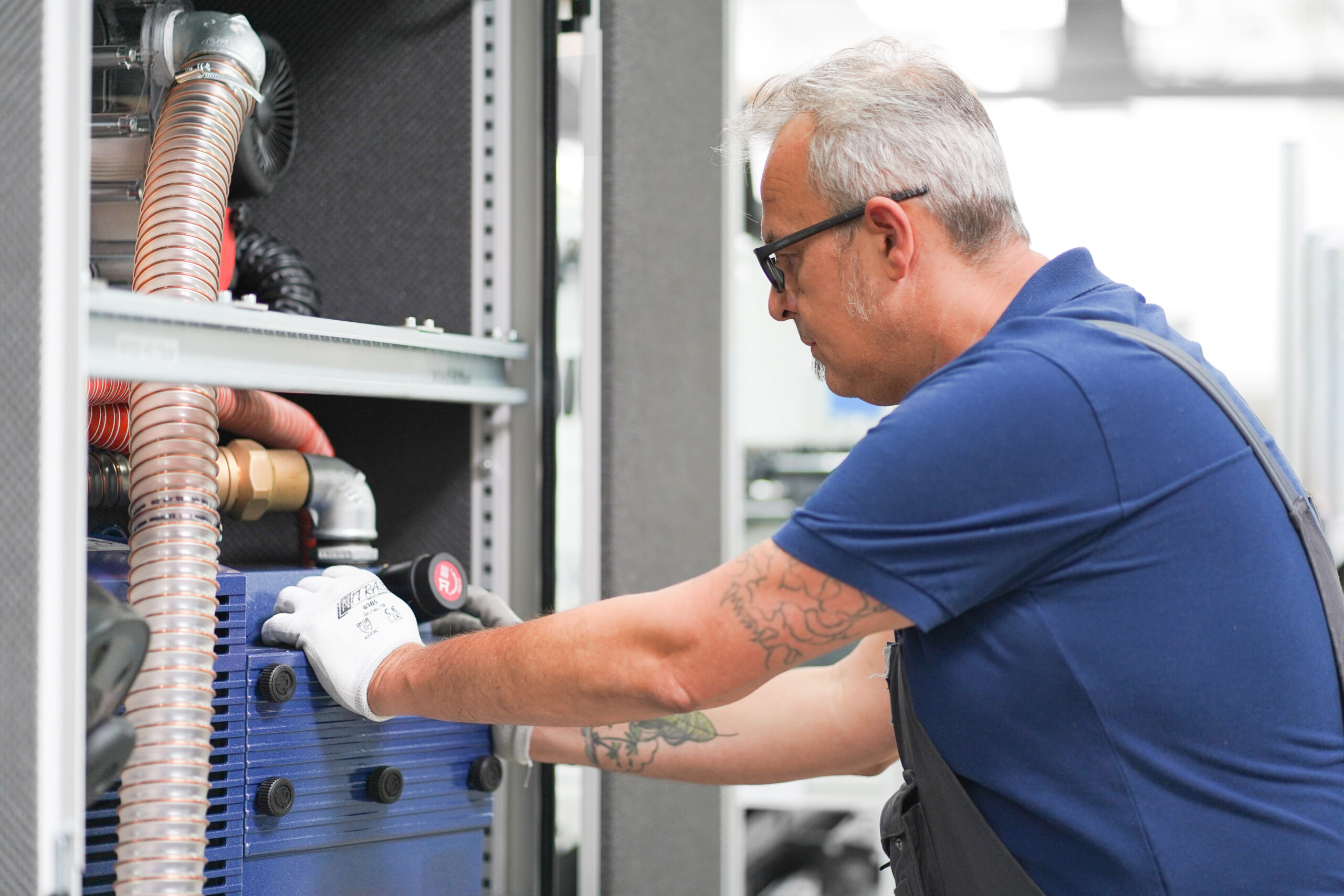
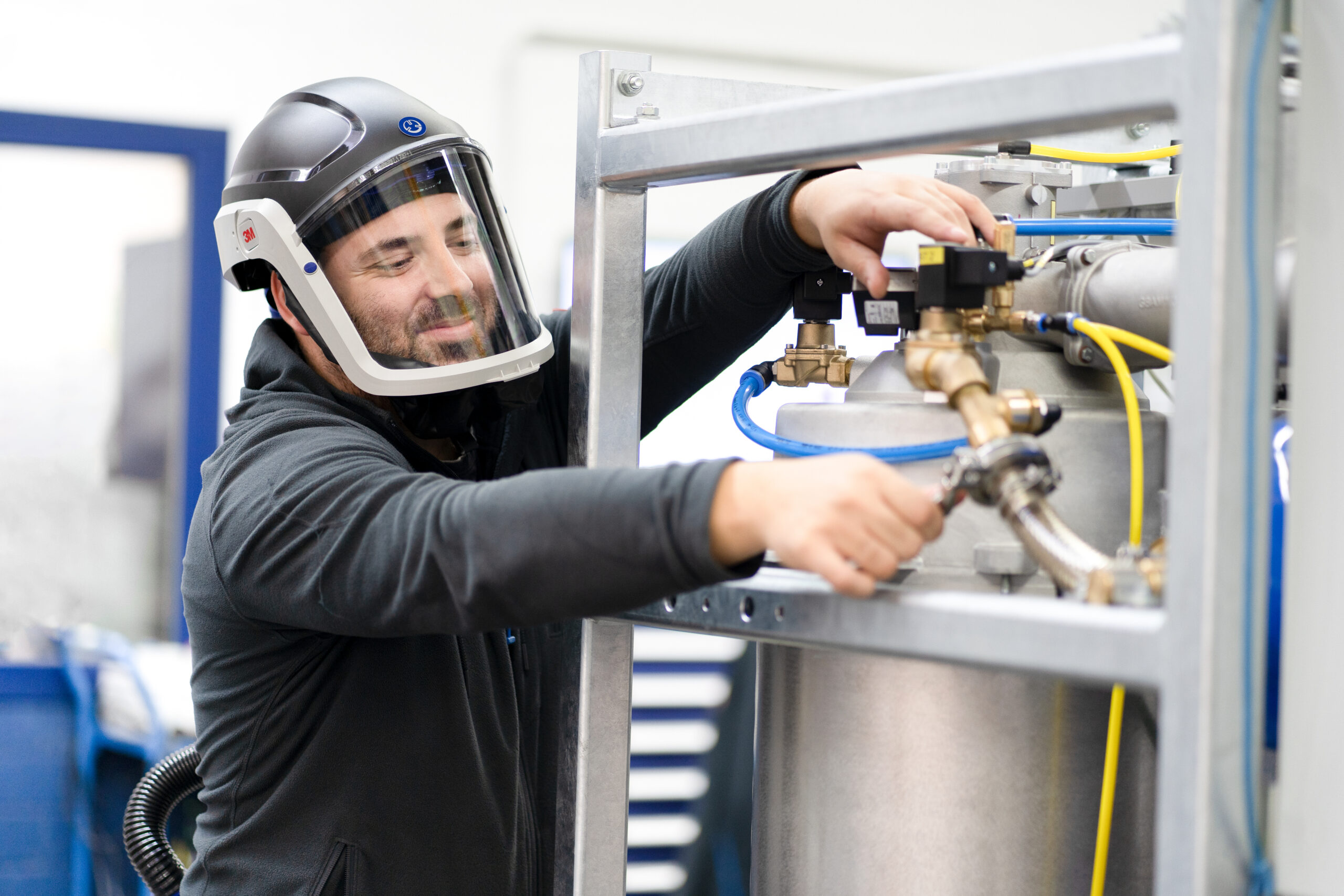
A proper assessment goes beyond a quick visual inspection. It focuses on the components that directly affect performance and reliability.
This typically includes:
- Air intake filters and airflow restrictions
- Vane condition and wear levels
- Seals, bearings, and lubrication performance
- Temperature and operational efficiency
- Control systems and programming accuracy
- Signs of dust, debris, or environmental strain
These are the small details that determine whether a system runs smoothly or slowly drifts toward failure.
The cost of waiting until it breaks
One of the most expensive maintenance strategies is reacting only when something stops working. When vacuum systems fail unexpectedly, the impact is rarely limited to the repair itself. It often includes:
- Production downtime
- Missed delivery schedules
- Emergency repair premiums
- Reduced machine lifespan
- Flow-on stress to other systems
Preventative servicing reduces these risks significantly by identifying wear before it becomes failure. It also allows maintenance to be scheduled, not forced into emergency mode.
Aligning maintenance with EOFY planning
Instead of treating maintenance as a reaction, EOFY is also a budgeting window. That makes it an ideal time to:
- Review maintenance history over the past 6–12 months
- Identify recurring faults or inefficiencies
- Plan servicing schedules for the next financial year
- Allocate maintenance costs more predictably
- Consider upgrades before breakdown-driven replacements
Vacuum and compressor systems often run quietly in the background of production lines, packaging systems, manufacturing environments, and industrial processes. Because they’re not always visible, they’re also easy to forget.
But they are critical infrastructure. When they drop in performance, everything downstream feels it. A mid-year system health check ensures your equipment is still operating at its intended capacity, not just running.
A smarter way to manage downtime risk
Businesses that adopt scheduled maintenance and mid-cycle inspections consistently experience fewer breakdowns and more predictable production output. It’s not about avoiding maintenance costs. It’s about avoiding interruption costs, which are usually much higher.
EOFY is simply a reminder that systems age, workloads shift, and operating conditions change. Your equipment should be checked against that reality. Think of a system health check like a financial audit, but for your machinery. You wouldn’t wait for your accounts to collapse before reviewing them. Your equipment deserves the same attention.
EOFY is the natural checkpoint. Use it to make sure everything still adds up, mechanically as well as financially.