In demanding industrial and medical environments, cleanliness, reliability, and performance are non‑negotiable. Factories are often littered with standalone vacuum pumps that create heat, noise and energy inefficiencies. Depending on your operation, these factors can be vastly improved with a centralised vacuum system. For organisations seeking top‑tier solutions in Australia, Becker Pumps Australia offers engineered systems that can transform for workplace.
What Is a Central Vacuum System?
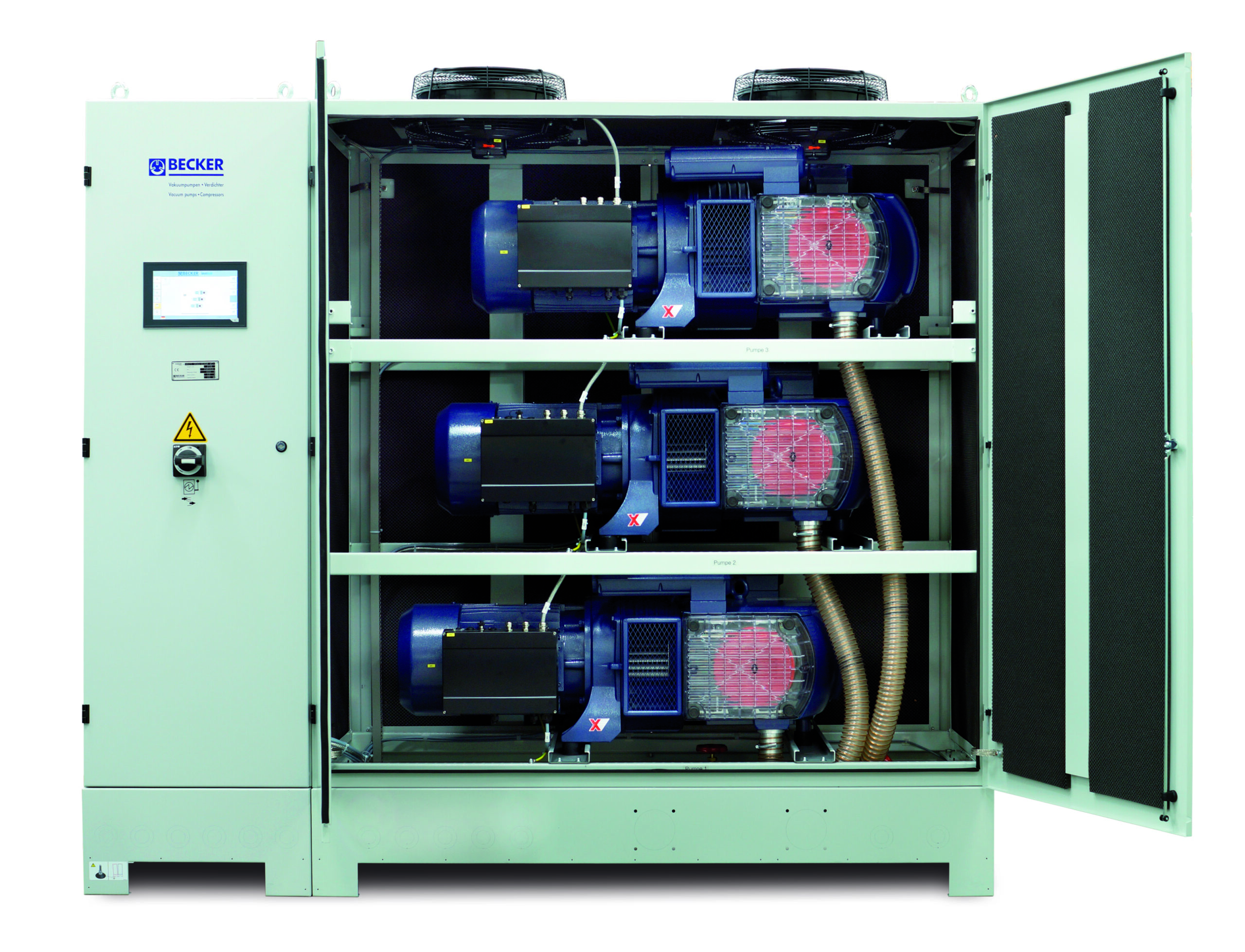
A centralised vacuum pump system replaces multiple, individual pumps at separate workstations with a single, high-capacity vacuum source located in a dedicated plant room. It works by generating vacuum, typically using a bank of pumps controlled for demand-based efficiency, and distributing it throughout a facility via a piping network.
How Central Vacuum Systems Work
Key Components & Operation
- Central Unit: A dedicated room houses one or more vacuum pumps, often with a backup pump (redundancy) for continuous operation, even during maintenance.
- Piping Network: A main vacuum line is piped throughout the facility to various workstations or machines.
- Control System: These systems often use Variable Frequency Drives (VFDs) to control the pumps, allowing them to adjust speed or switch on/off based on real-time vacuum demand.
- Operation: When a user activates a tool or machine, the vacuum is drawn through the piping network from the central unit. The system maintains a constant vacuum level (setpoint) at the point of use.
Benefits & Advantages
- Energy Efficiency: By optimizing pump usage to match demand, these systems can significantly reduce energy consumption.
- Lower Maintenance: Centralizing the vacuum pumps reduces the need for servicing individual pumps scattered around the facility.
- Improved Work Environment: Moving pumps to a separate room reduces noise and heat in the production area.
- Reliability: Redundant pumps ensure that if one pump fails, the system continues to operate.
Medical Applications
In Australia Medical Suction Systems need to be compliant with the latest version of the Australian Standard – AS 2896. Most states also regulate the service of these systems. Becker Pumps Australia and it’s sister company, Australian Medical Suction, fully comply with all federal and state requirements and are a major supplier of systems to Hospitals, Day Surgeries and Dental practices throughout Australia.
Scalability, Reliability and Custom Solutions
One of the biggest advantages of central vacuum systems is their ability to scale with your facility’s needs. Instead of having a number of individual pumps oversupplying flow requirements to an individual application, you can look to combine like applications and size you bank of pumps to deliver the total needs of the operation. Often saving in overall numbers of pumps and resulting in significant power savings.
Becker Pumps Australia has decades of experience providing tailored solutions from simple on/off systems to intelligent configurations with variable speed drives, backup pumps, and integration options for external alarms and controls.
For facilities in Australia seeking robust, scalable solutions whether for improved efficiency or improved workplace environments, Becker Pumps Australia offers systems engineered to meet demanding standards with industry knowledge you can trust.
Upgrade your facility’s suction capabilities today. Contact Becker Pumps Australia to explore central vacuum systems and medical suction solutions.